Drawn from 58 organizations
The Case for a Canadian
Democracy Coalition
Over 7 months, 58 organizations whose work shapes and depends on Canadian democracy shared their diagnosis, their frustrations, and their proposals. This is what they said, what the evidence shows, and what to build next.
interviewed
conversation
transcript
captured
The Strategy
6 priority action areas for building a Canadian democracy coalition. From coordination infrastructure to democratic culture.
Read The Strategy →The Evidence
10 findings from 58 organizations. The analytical foundation: what the sector said, where it converges, and what it reveals.
Read The Evidence →Explore the Full Data
Methodology, structured question responses, 174 proposals from interviews, theme codebook, quote bank, and international comparisons.
Explore the data →The Atlas
An interactive directory of 151 organizations working on democracy across Canada. Search, filter, and explore.
Open the Atlas →Interactive visualizations
Six Priority Action Areas
From findings across 58 organizations. Click a wedge to explore.
Click or hover over a wedge to see details.
Six priority action areas derived from 58 organizations, organized by the 3 concentric circles. Numbers indicate organizations that unprompted raised each theme. The convening is the proposed first step from which all action areas proceed.
What 58 organizations told us
"A couple of people in a very tiny dinghy in the middle of a big storm in the middle of the ocean."
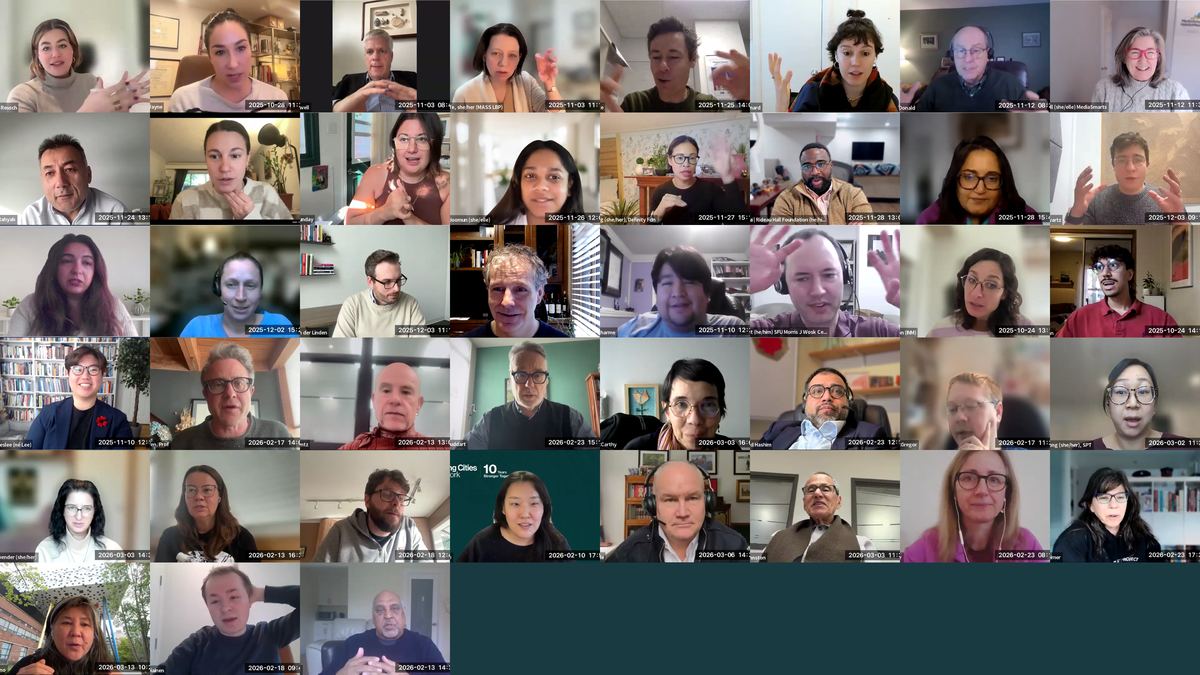
Acknowledgements
Co-designed with
- Amanda Munday (New Majority)
- John Beebe (Democratic Engagement Exchange, TMU)
- Mason Ducharme (Centre for First Nations Governance)
- Niamh Leonard (Euphrosine Foundation)
- Robin Prest (SFU Morris J. Wosk Centre for Dialogue)
- Sam Reusch (Apathy is Boring)
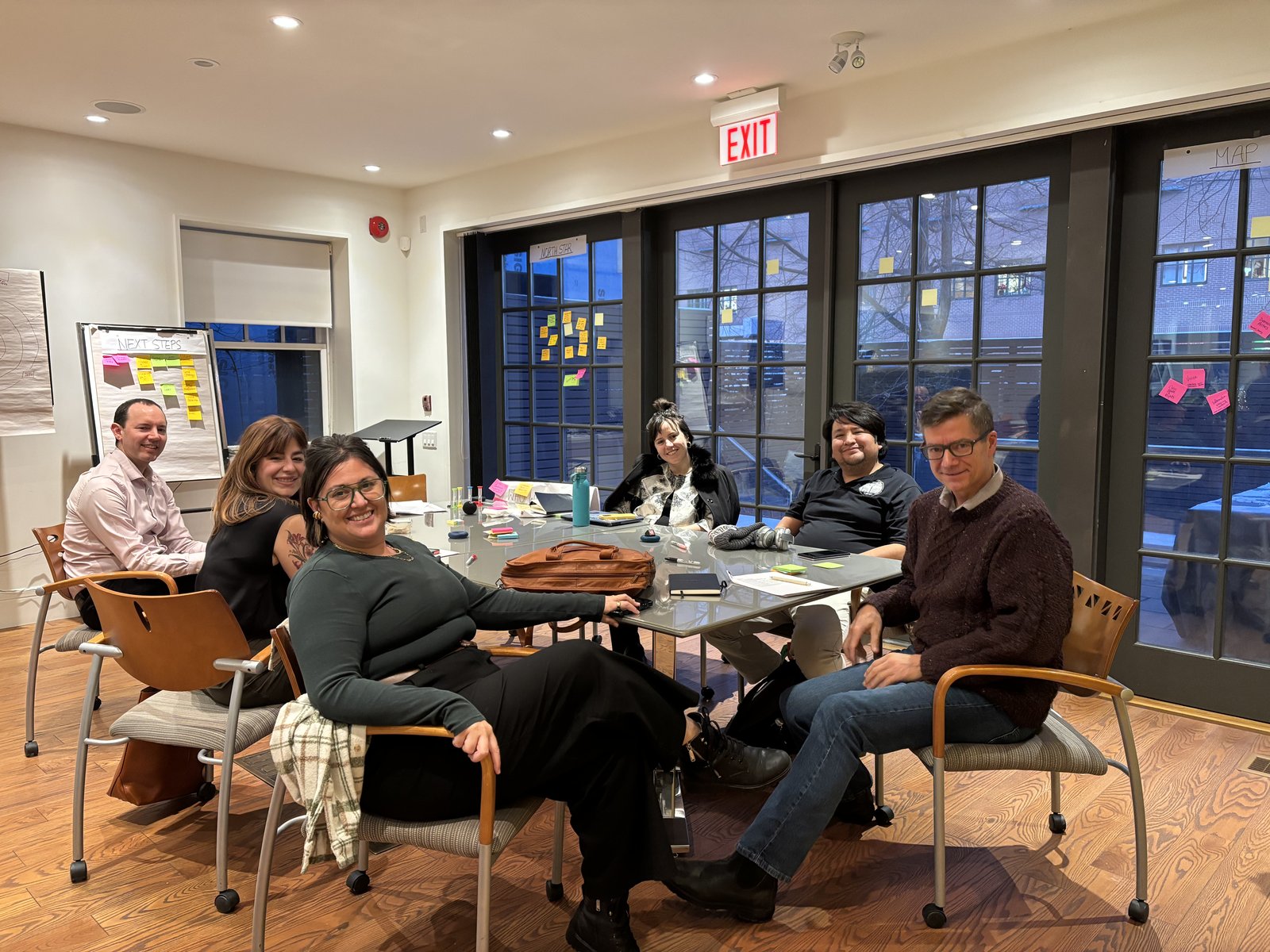
We are grateful to the organizations across Canada's democracy sector that participated in this listening exercise and generously shared their time, experience, and insights.
We are grateful for the support of the Catherine Donnelly Foundation and the Euphrosine Foundation.
This work took place across Turtle Island, on the lands and waters of many Indigenous Nations. We acknowledge the enduring presence, rights, and responsibilities of Indigenous Peoples, and we offer respect and gratitude to the First Nations, Inuit, and Metis communities whose territories and relationships continue to sustain this place.
A special acknowledgement: Amanda Munday initiated this exercise, did the work to get it funded, and then participated in it as an equal peer. She joined the process as an interview participant and co-designer, without trying to control the analysis or the outcomes. Thank you, Amanda.